About CRP · Our mission
To ensure the long-term protection and full recovery of the Northwest Atlantic loggerhead population — and the ecological roles it plays — through research, conservation and education.
Wassaw Island National Wildlife Refuge · every nesting season since 1973
Our story
A brief history
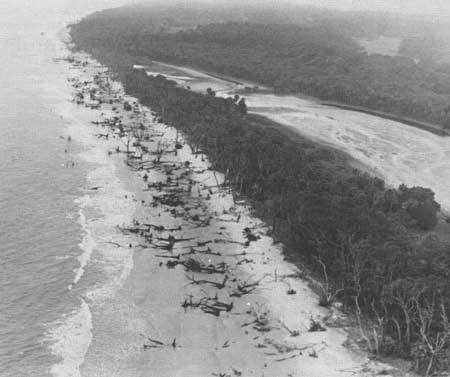
Stimulated by a noticeable decline in sea turtle populations across the Northwest Atlantic, a trilateral collaboration between the Savannah Science Museum, Wassaw Island Trust and the U.S. Fish & Wildlife Service founded the Caretta Research Project in 1972. Starting in 1973, CRP began monitoring Wassaw’s loggerheads by marking individuals — a strategy that yields the demographic information critical for population recovery — and rigorous nest-protection procedures followed soon after.
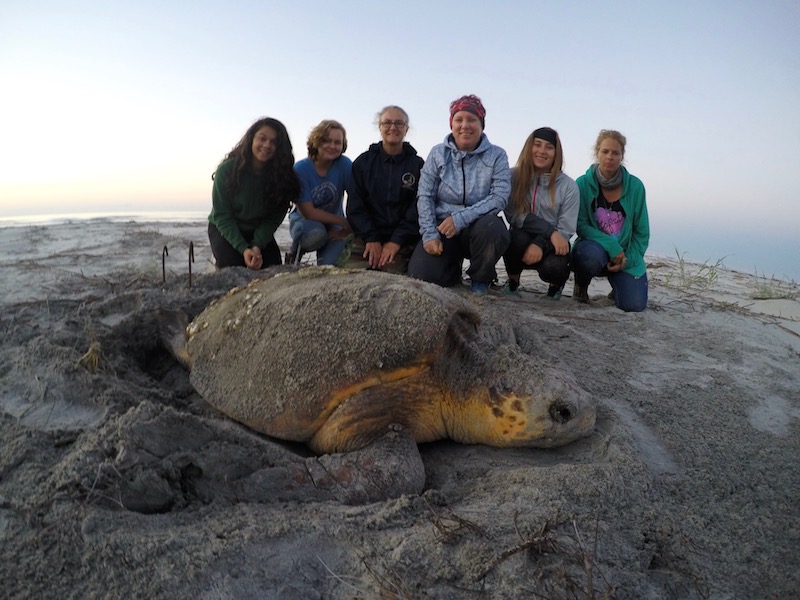
Education and public participation have been at CRP’s heart from the beginning. For more than 50 years, participants have traveled to Wassaw to patrol the beach in search of nesting turtles and protect their vulnerable nests — returning home as ambassadors for sea turtles everywhere.
The result: one of the longest continuously running sea turtle research and protection projects in the United States.
Five decades of results
Why sea turtles?
Ancient indicators of ocean health
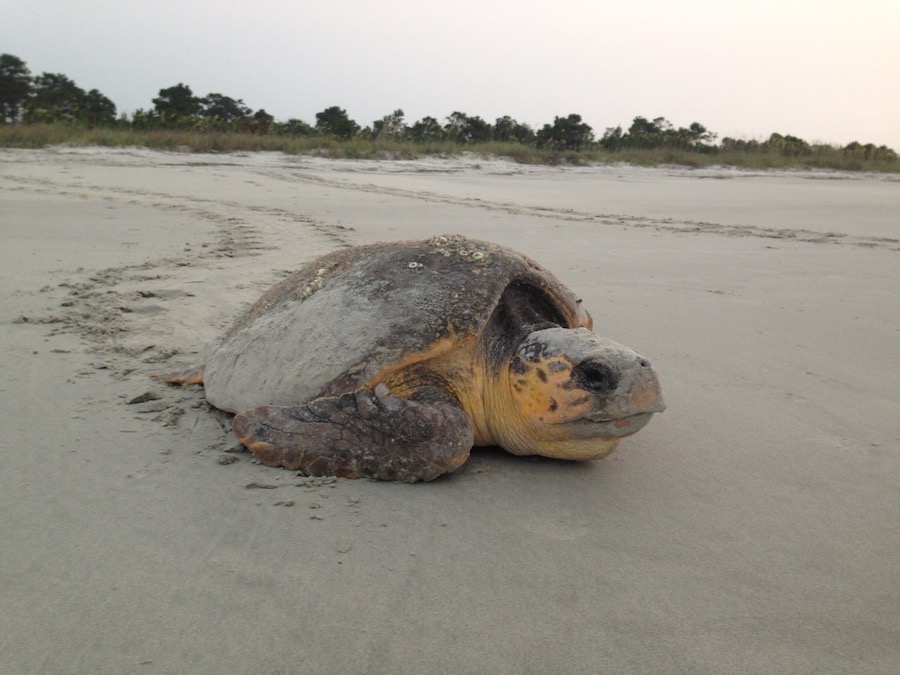
Sea turtles are important indicators of the health of our oceans. They play unique and critical ecological roles in sustaining the health of marine ecosystems — if we succeed in preserving life on earth with maintained health and sustainability, our goals of protecting sea turtles and their habitats ultimately protect the complex, interconnected world on which human societies depend.
They are also part of our natural heritage: as loveable and imperiled giants, sea turtles are ambassadors for global biodiversity and our connection to the natural world. Conserving them preserves that connection — and elevates the cultural and spiritual well-being of future generations.
Why Wassaw Island?
A pristine stronghold, 15 miles from Savannah
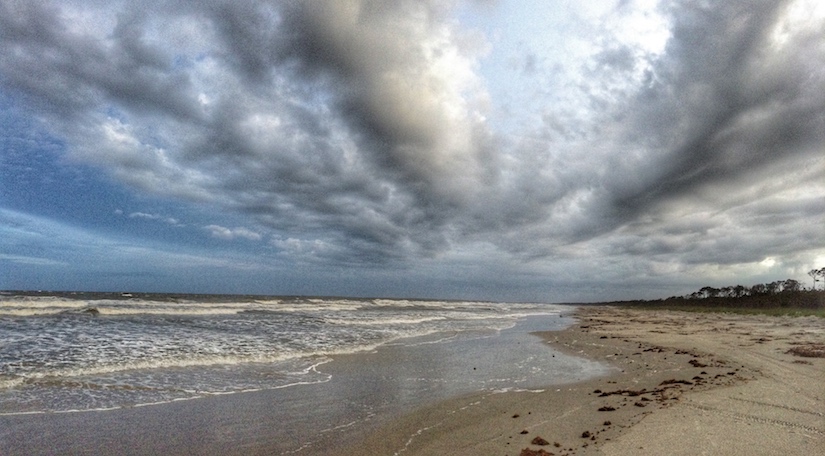
Since its founding, CRP has focused its efforts on Wassaw. Because access has been limited historically, the island remains pristine and is protected as a National Wildlife Refuge. As coastal development threatens other Georgia islands, Wassaw continues to hold one of the highest densities of loggerhead nests in the state — a nesting stronghold for the Northern US loggerhead subpopulation.
Wassaw’s turtles are part of the largest loggerhead population in the Western Hemisphere. CRP’s mission is to ensure the long-term stability of this globally important population, and of the critical habitats on which it depends.
Education, outreach & people
3,850 volunteers, one island
CRP’s volunteer program has put thousands of people to work hands-on in sea turtle research — participants from all 50 states and 7 other countries, aged 13 to 82. The project has trained 33 interns who launched careers in biology, environmental science and education, and it has become a breeding ground for the next generation of marine scientists, conservationists and advocates.
Adopt-A-Turtle has connected over 440 people with the lives of nesting turtles on Wassaw, fostering love and appreciation for sea turtles and their plight for survival.